 (407) 859-8631
(407) 859-8631
(407) 859-8631
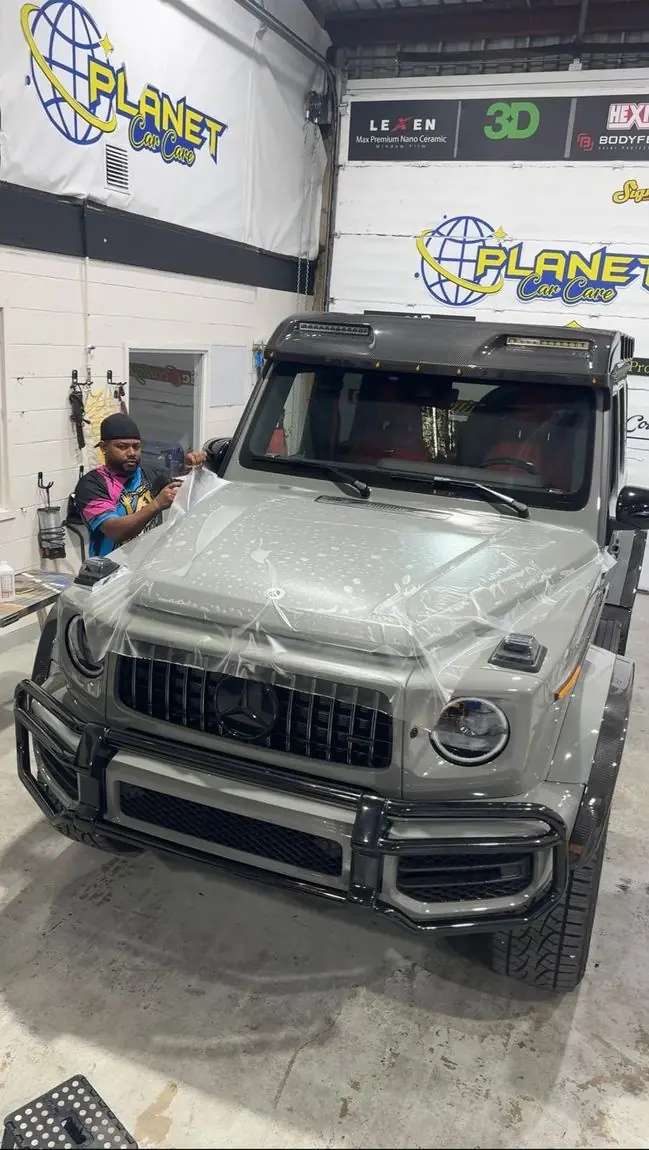
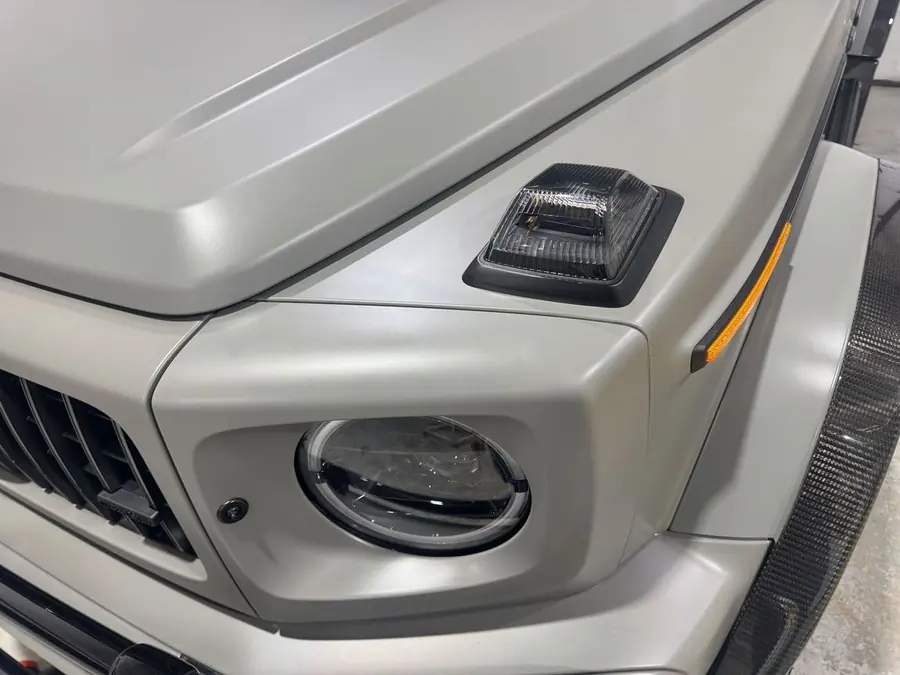
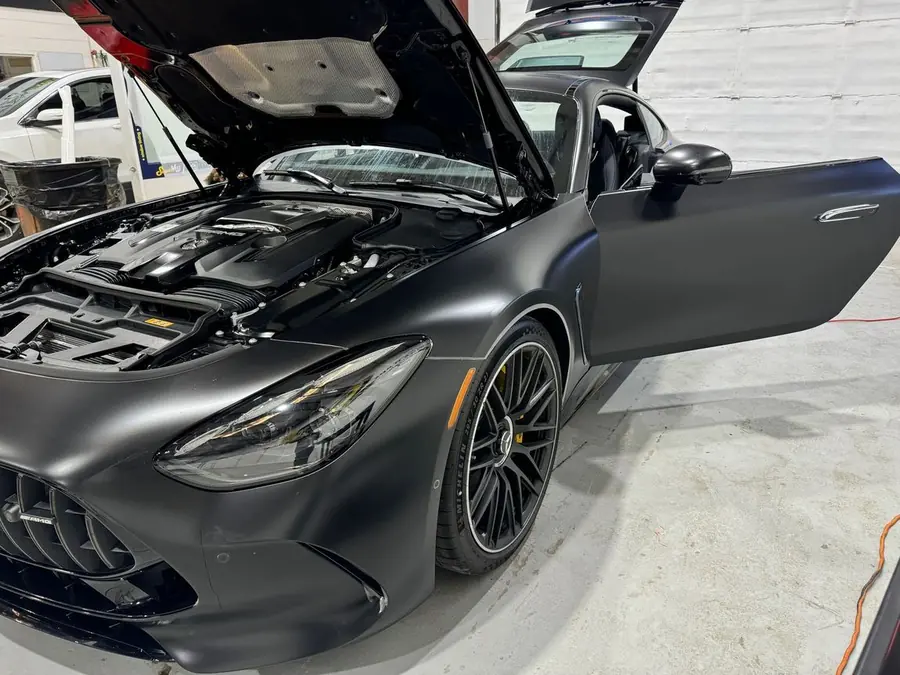
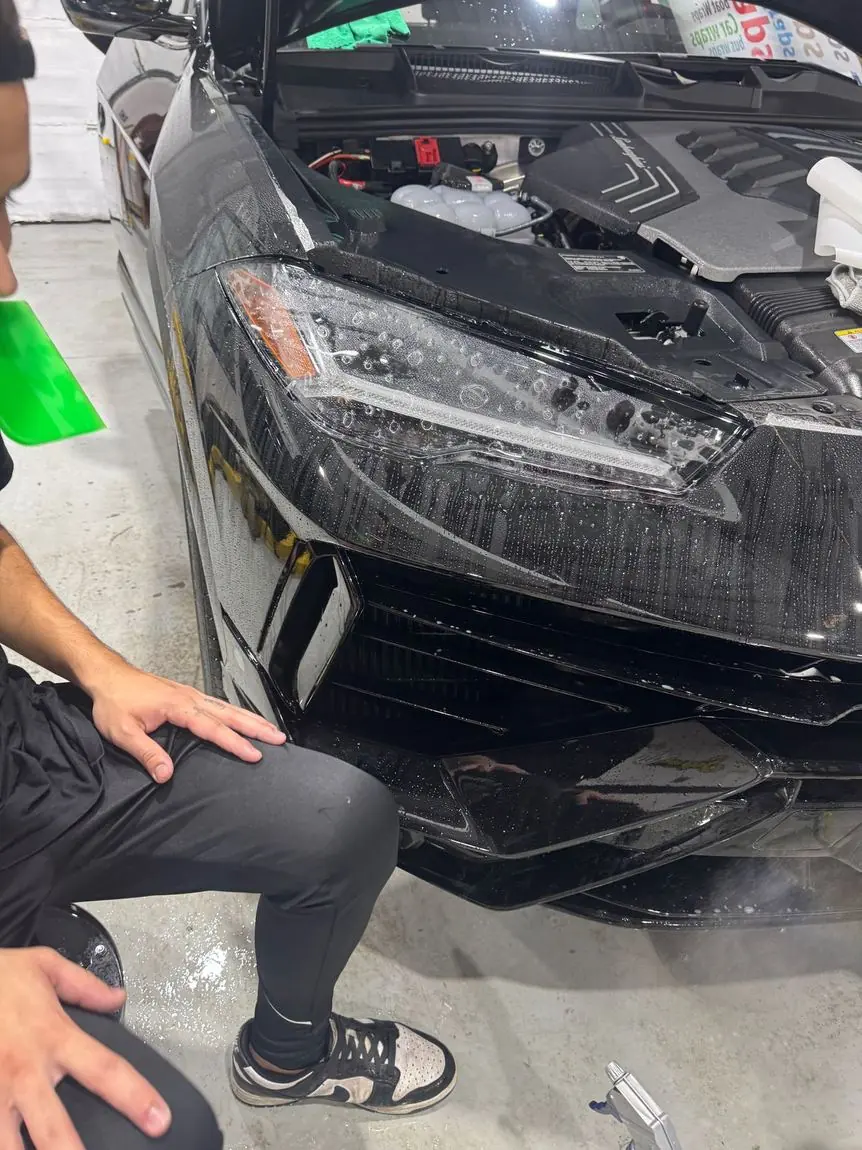
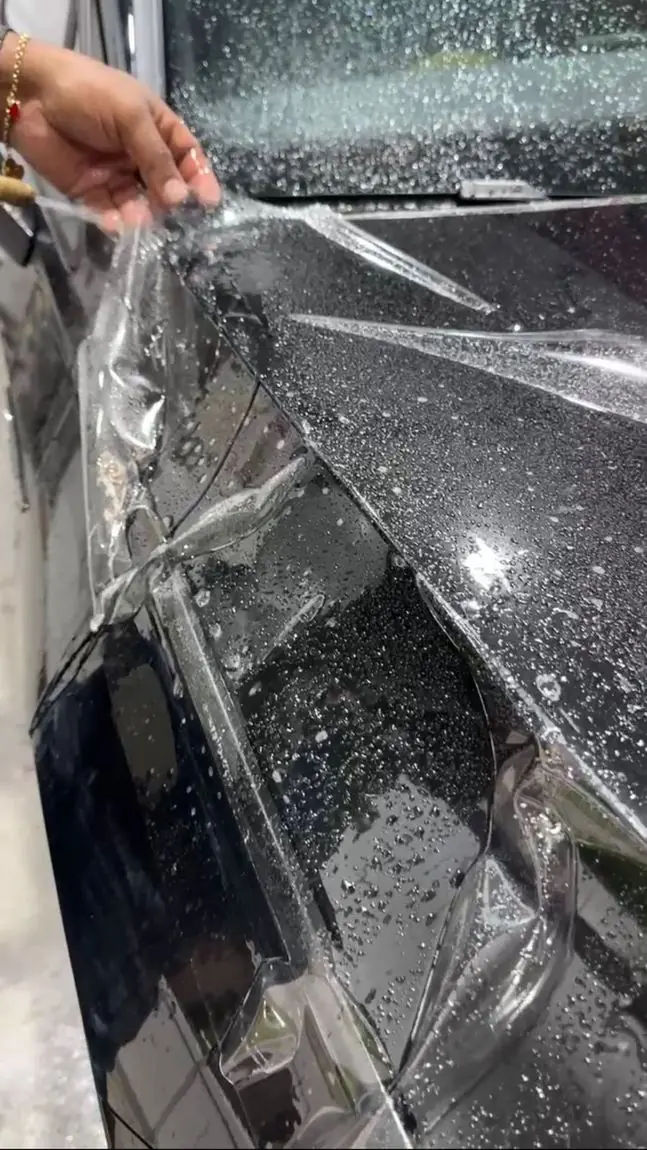
A clear urethane film over the panels that get hit first. Rock chips, sand and bug acid stop at the film — not at your paint.
Not off-road. On I-4, behind a truck, at 70 mph. A stone the size of a pea leaves a chip in the clear coat, the chip lets water in, and eighteen months later it's a rust spot the body shop wants four figures to fix.
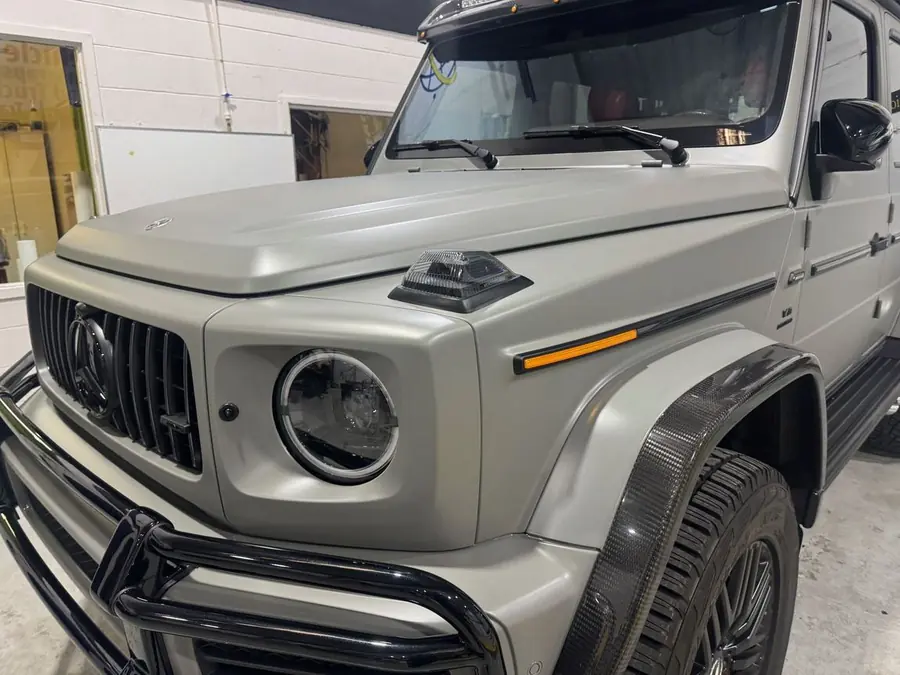
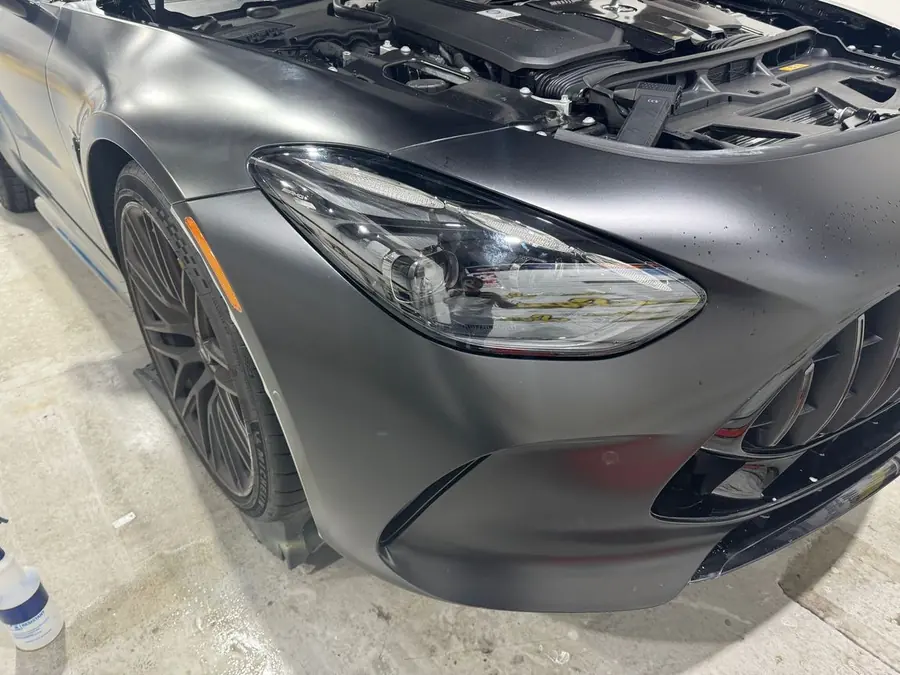
The front bumper, hood edge and mirror caps take almost all of it. That's why the front-end package exists — it covers exactly where the road throws things.
Love bug season in Florida is twice a year and it eats clear coat. What's on the film wipes off. What's on bare paint etches in.
Quality film blocks the UV that fades and chalks paint. On a car parked outside in Orlando that isn't a small thing.
It comes off. Underneath is factory paint that never met a rock — and a buyer can tell the difference at a glance.
Two ways to do it. The difference is not quality — it's how much of the car you cover.
Before anything goes on, the car is washed, the emblems come off and the paint is polished. Any correction the paint needs is quoted at inspection — we don't wrap film over defects and call it protected.
Installed at 5235 Edgewater Dr, Orlando. Not subcontracted out.
Real numbers, not "starting at". Both packages carry a 10-year warranty covering yellowing and install defects.


In blue, what the film covers. The paint underneath is identical in both — what changes is how much of it stops taking hits.
| Package | Price |
|---|---|
| Full front — bumper, hood, fenders, headlights, mirrors, rockers | $2,400 |
| Full vehicle — every painted surface | $4,900 |
| Paint correction, if the paint needs it first | quoted at inspection |
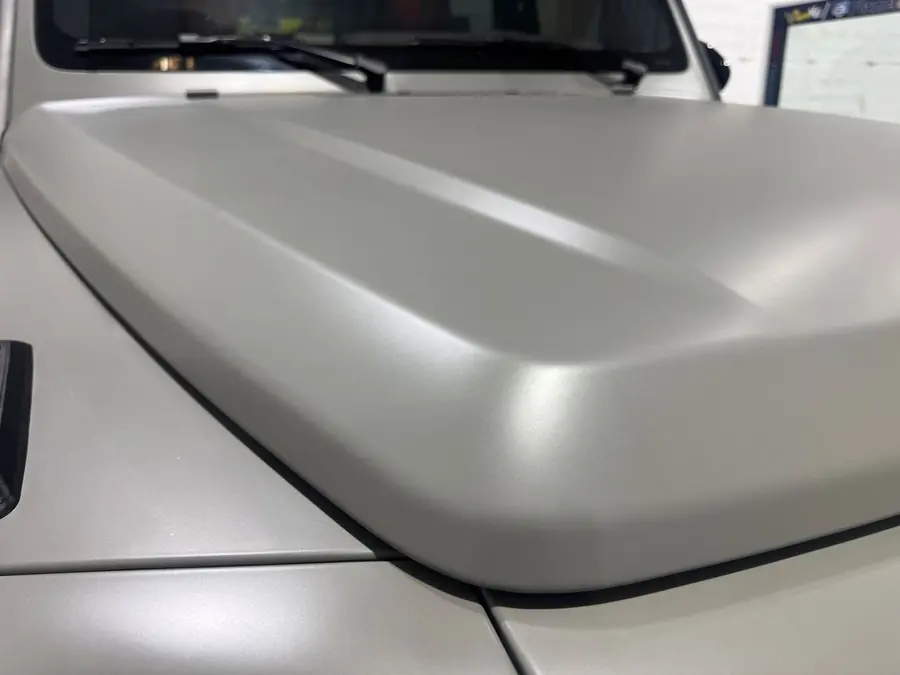
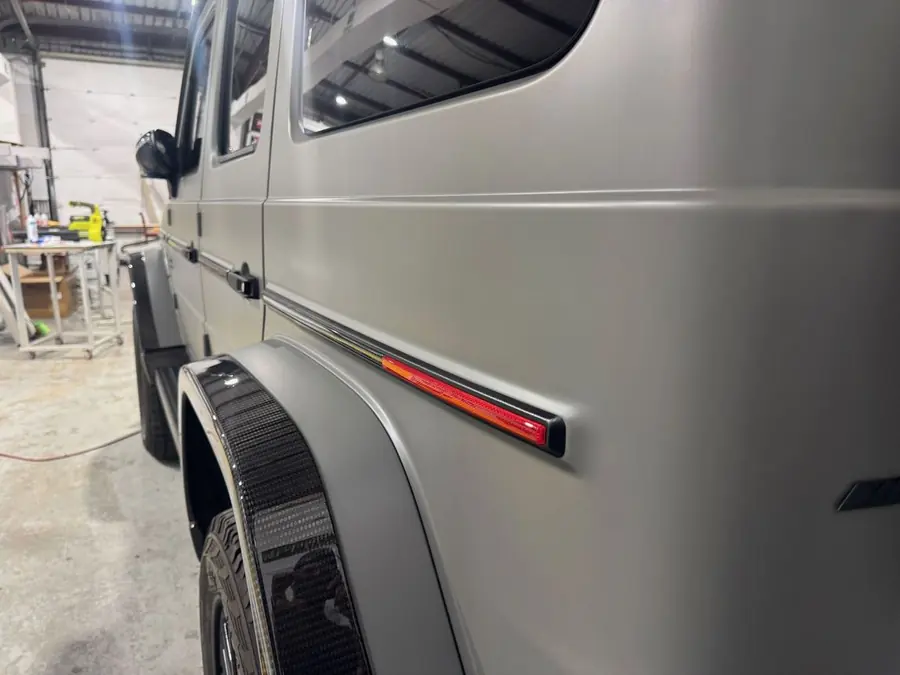
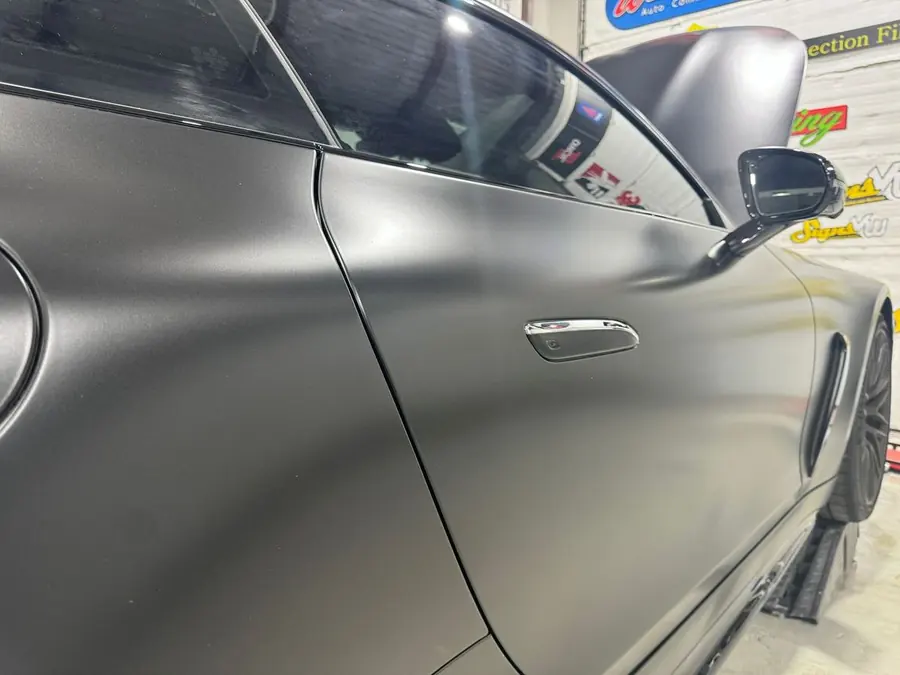
That's the point — no. It's a clear film and on a properly prepped car the edges are tucked so there's no line to catch your eye. Which is also the frustrating part of buying it: you pay for something you can't see. What you see is what doesn't happen to the paint.
Ten years on the warranty for yellowing and install defects. In Florida sun the horizontal panels — hood and roof — age first, same as any film. Those can be redone on their own without doing the whole car again.
Light swirl marks and fine scratches in the top layer close up with heat — sun on the panel or warm water. That's the film's top coat doing its job. A deep gouge that goes through the film is a different story: the film gets replaced on that panel, and your paint is still untouched underneath, which is exactly what you paid for.
They're not the same thing and they don't compete. A coating makes the surface slick and easy to clean — it does nothing against a rock. PPF is a physical layer thick enough to absorb an impact. If the car sees highway miles, the film is what protects it.
Yes. Wait a few days after install so it fully bonds, then wash it like any car. Keep a pressure washer off the edges — that's the one way to lift a corner that was fine.
Yes, with heat and patience, and the factory paint is right there underneath. Done at the right time it leaves nothing behind. That's the resale argument: the car shows a finish that never took a hit.
Year, make and model, and whether the paint needs work first. You'll get a price back, not a range.
☎ Call (407) 859-8631